ARES Model Schools: moving digital learning from the lab into the classroom
Starting January 2027, five pilot schools will use ARES in every classroom, every day, with lesson plans, live quizzes and progress tracking built with SeaVuria.
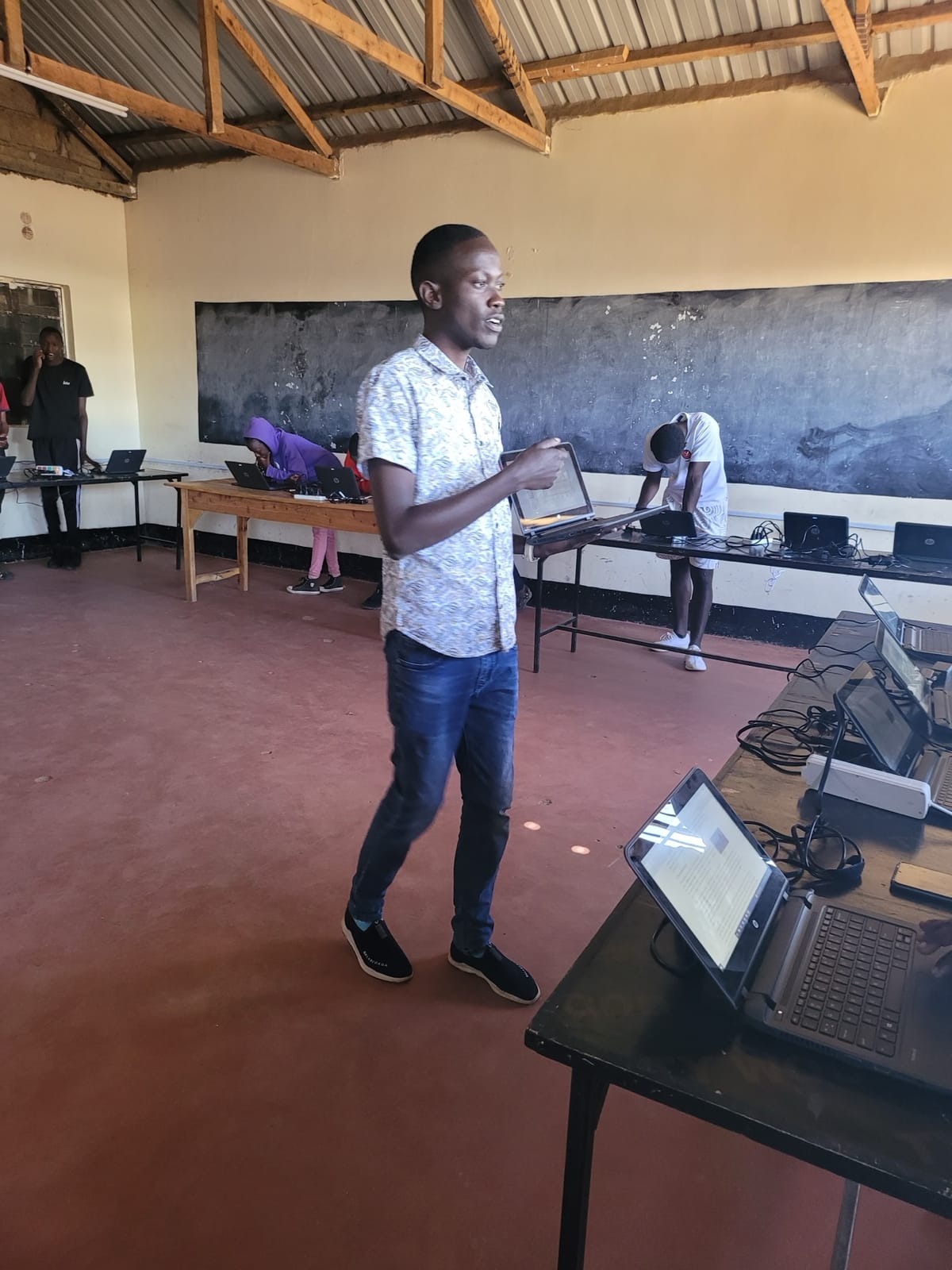
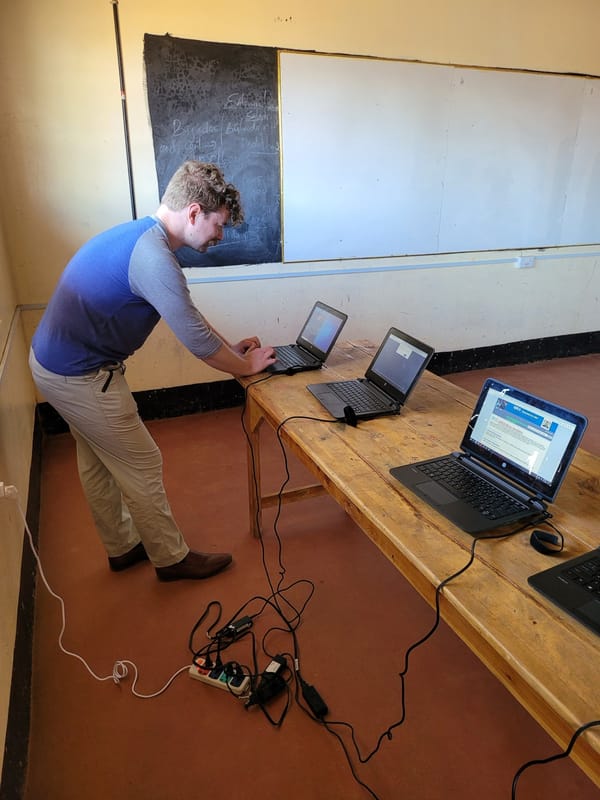
ARES is now active in about 75 schools. Each has a server with about 500 GB of offline content, around 20 notebooks, projectors and campus-wide Wi-Fi. Much of it works very well. The wireless network makes devices portable, integrated search makes content easy to find, and usage is tracked at every school.
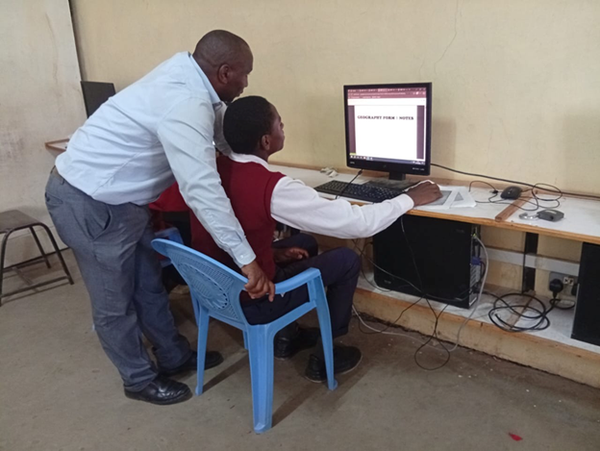
But in too many schools, usage is still lower than it should be. We think there are two reasons. Digital learning lives in the computer lab rather than in daily teaching, and most teaching materials aren't yet built for the interactive, collaborative learning that Kenya's Competency-Based Education (CBE) calls for.
The research agrees. Handing out devices on their own doesn't raise learning. What works is technology woven into teacher-led lessons, in focused amounts, with regular checks on what students have understood.
The Model Schools pilot
Starting in January 2027, ARES and our partner SeaVuria will launch a pilot in five Model Schools, each with about 300 students and 10 classrooms. The idea is simple: bring ARES into every classroom, every day.
- School-wide: the ARES server and Wi-Fi hold the content, plus new CBE-aligned lesson plans, presentations, quizzes and a tracking system.
- In every classroom: a projector, a notebook and guided presentations for each lesson.
- For every student: a printed answer card. Students hold up their card to answer a quiz question, and the notebook's camera scans the room and records every answer. No device per student needed.
What teachers get for every lesson
- Plan: a detailed, CBE-aligned lesson plan with direct links to digital content
- Teach: presentation slides that guide the class through the lesson
- Check: a live quiz with results by student and by class, in real time
- Follow up: progress tracking so teachers can adjust and plan the next lesson
Over time every quiz result will feed into the next lesson, for the whole class and for each student.
What schools commit to
Each Model School provides a power socket in every classroom, curtains and a clean white wall or screen, and a written commitment from the principal, the district and teachers to take part, including professional training.
How we'll measure it
We'll collect a baseline in January before setup, then track how often lessons use ARES, quiz participation, CBE assessment results and teacher confidence, comparing the Model Schools with similar schools using the lab model. Setup and training run from January to February 2027, followed by two test-and-adjust phases through August.
Looking further ahead
As open-source AI models become small enough to run offline on an ARES server, we plan to add tools that help teachers adapt lessons, and later structured tutoring that adjusts to each student.
Want to help a Model School get started? Get in touch or adopt a school.