Teaching Tomorrow Today at Lechugu Senior School
A school with no electricity, teachers carrying laptops 8 km to charge them, and exam scores that kept climbing.
By the ARES Team
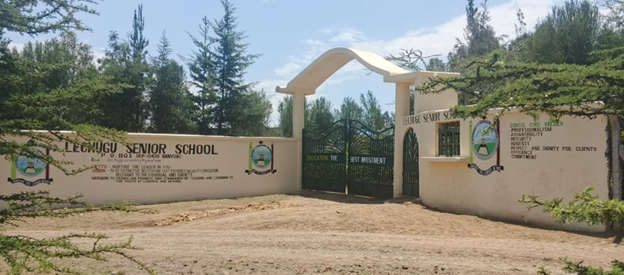
Each morning, students and teachers from Lechugu village brave a 45-minute journey down a rough, potholed road to reach Lechugu Senior School in Laikipia County. For years the trip was a fitting metaphor for education there: an arduous path to a place time had forgotten. The school had no electricity, lessons were chalk and talk, and for bright students like Alex and Melody a better future felt as distant as the digital world.
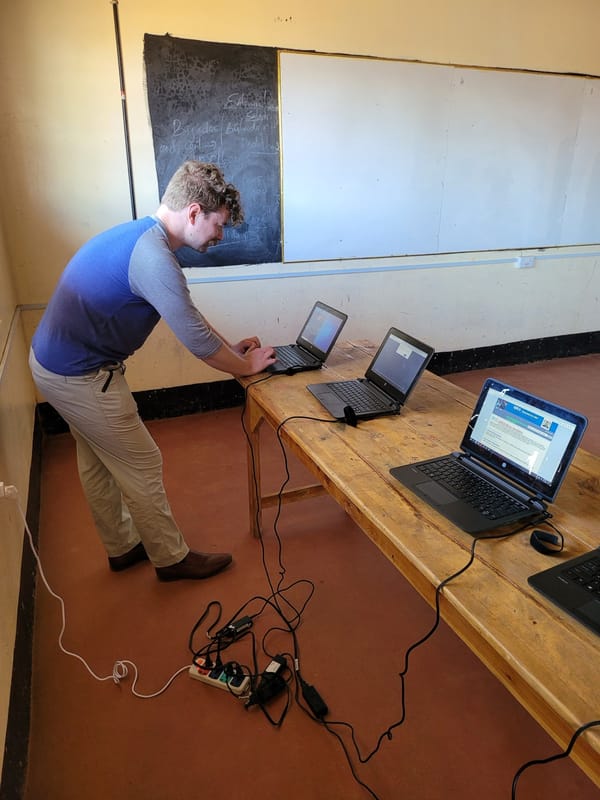
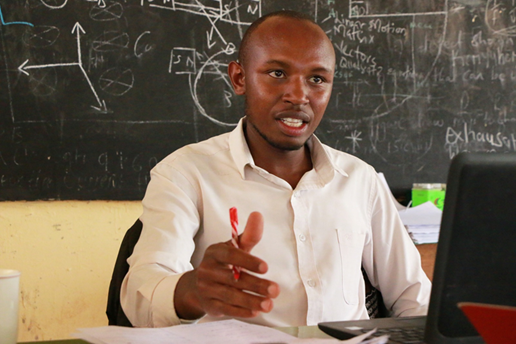
When Mr Githiomi, a passionate physics teacher, arrived in 2017, he found low morale and poor exam results. In 2019 ARES delivered 20 laptops, a projector and a server packed with learning materials. But there was still no electricity to charge them. Undeterred, Mr Githiomi and his colleagues carried the laptops 8 kilometres to the nearest power source every day.
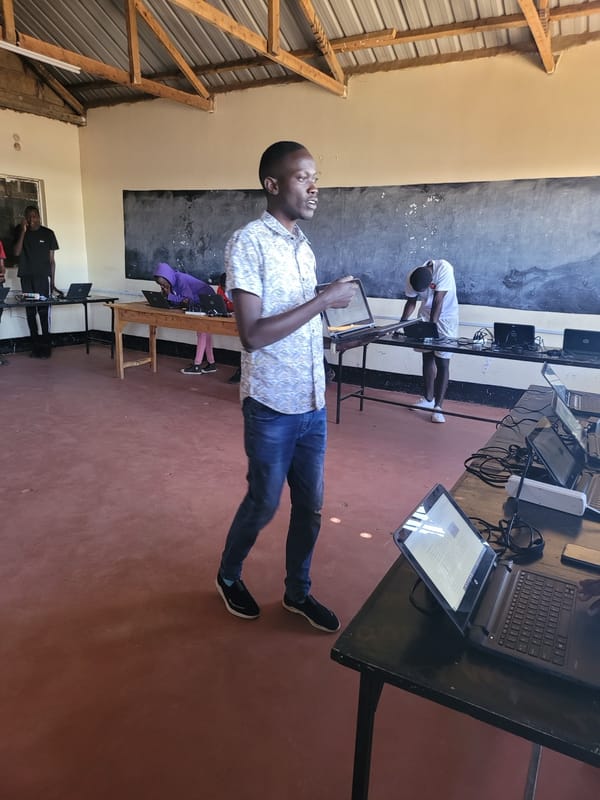
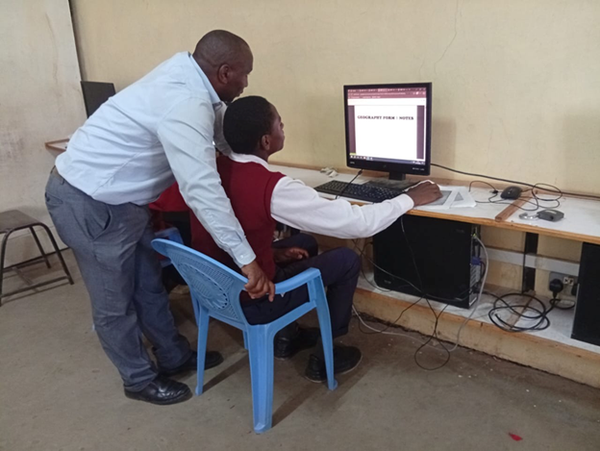
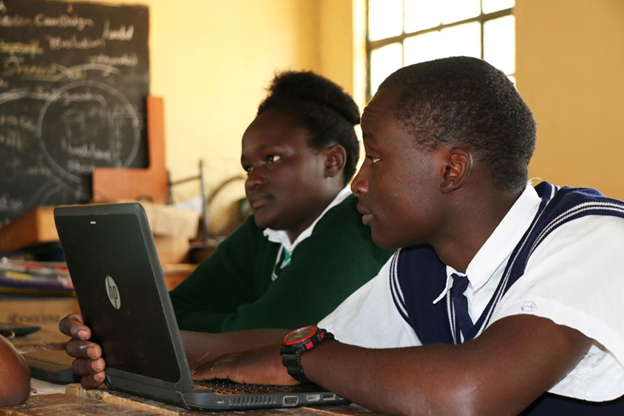
The turning point came when Ol Pejeta Conservancy installed solar power at the school. The principal, Mr Dereva, made ARES a compulsory part of the curriculum, and the dusty computer lab became a hub of excitement. Alex discovered maths games, and Melody explored biology videos. Her dream of becoming a doctor suddenly felt within reach.
Measurable change
The school's mean exam score climbed from 1.76 in 2022 to 2.366 in 2024. Alex, once a C- student, now tops his class with a B- and helps run the lab. Lechugu's reputation has grown, and it now attracts students from other villages.
The road is still bumpy, but inside the school the screens glow and the air buzzes with discovery. Mr Githiomi's hope is that what happened at Lechugu spreads. Every student in rural Africa deserves this chance. Adopt a school and help the next one.