Small Decisions, Big Effects
Celebrating 33 years of Afretech: how one near-empty bookshelf in Zimbabwe led to ARES.
Celebrating 33 years of Afretech
It seemed an insignificant decision at the time. It was 1992, and my husband and I were standing in a partially built school in Victoria Falls, Zimbabwe, looking at a near-empty bookshelf.
As a result of that decision, I estimate that we have touched, and been touched by, more than one million lives. The projects it set in motion include distributing schoolbooks, building school and community libraries, running eye-care clinics, equipping hospitals and clinics, installing computers, and engineering and rolling out ARES.
In that little school we noted one small shelf with 30 or so books, the newest published in 1965. While waiting for elephants to clear the courtyard, we decided to help by collecting and sending books withdrawn from Canadian school libraries. That first pallet took a full year to arrive. When we visited again three years later, those BC math books were in use on every desk and our reading books were proudly displayed in the little library.
Zimbabwe was our destination for the next five years. By 2002 the political landscape forced a change, and Lorrie Williams, founder of the Canadian Harambee Education Society, persuaded us to consider Kenya.
We chose the name Afretech Aid Society (Africa's Future through Education and Technology) and gained Canadian and US charitable status. Shipments soon included computers alongside library books, and we began supporting clinics and health projects, anything to do with children. One of our first Kenyan projects outfitted a county hospital with its first-ever operating rooms. With Rotary International we ran eye clinics in Kenya and Zanzibar: five doctors, 10,000 pairs of glasses and thousands of eye exams.
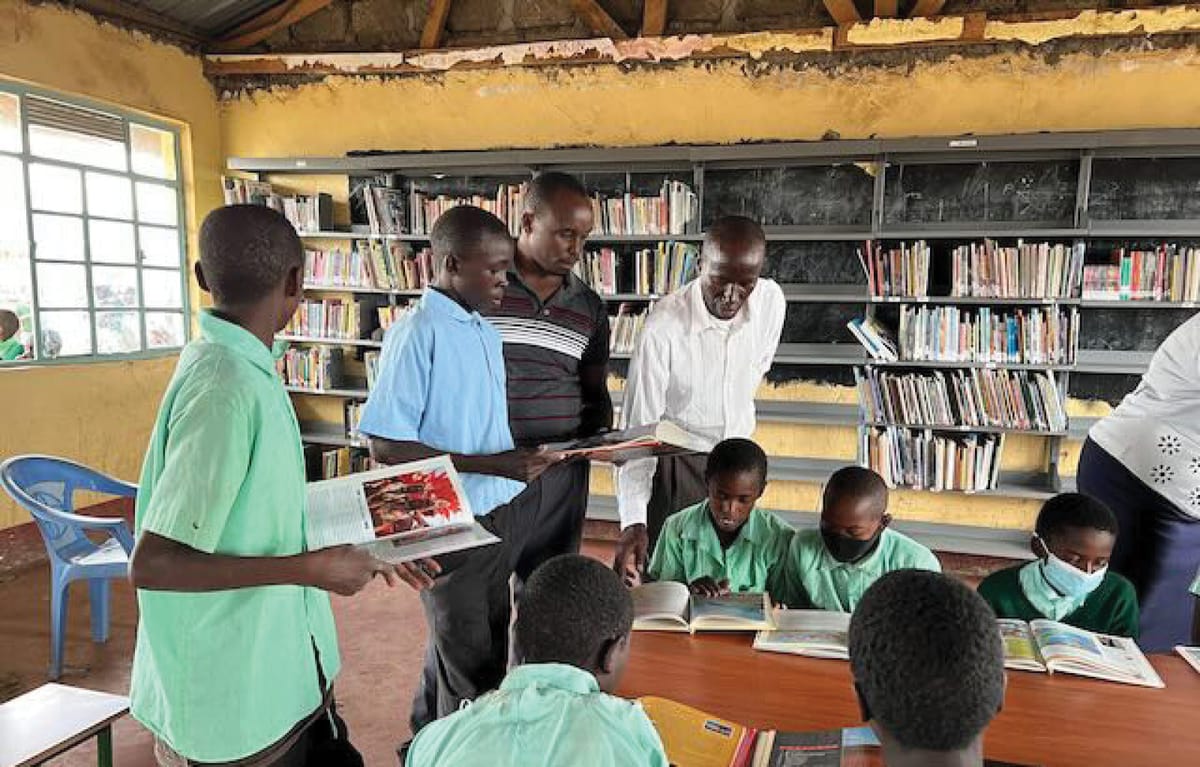
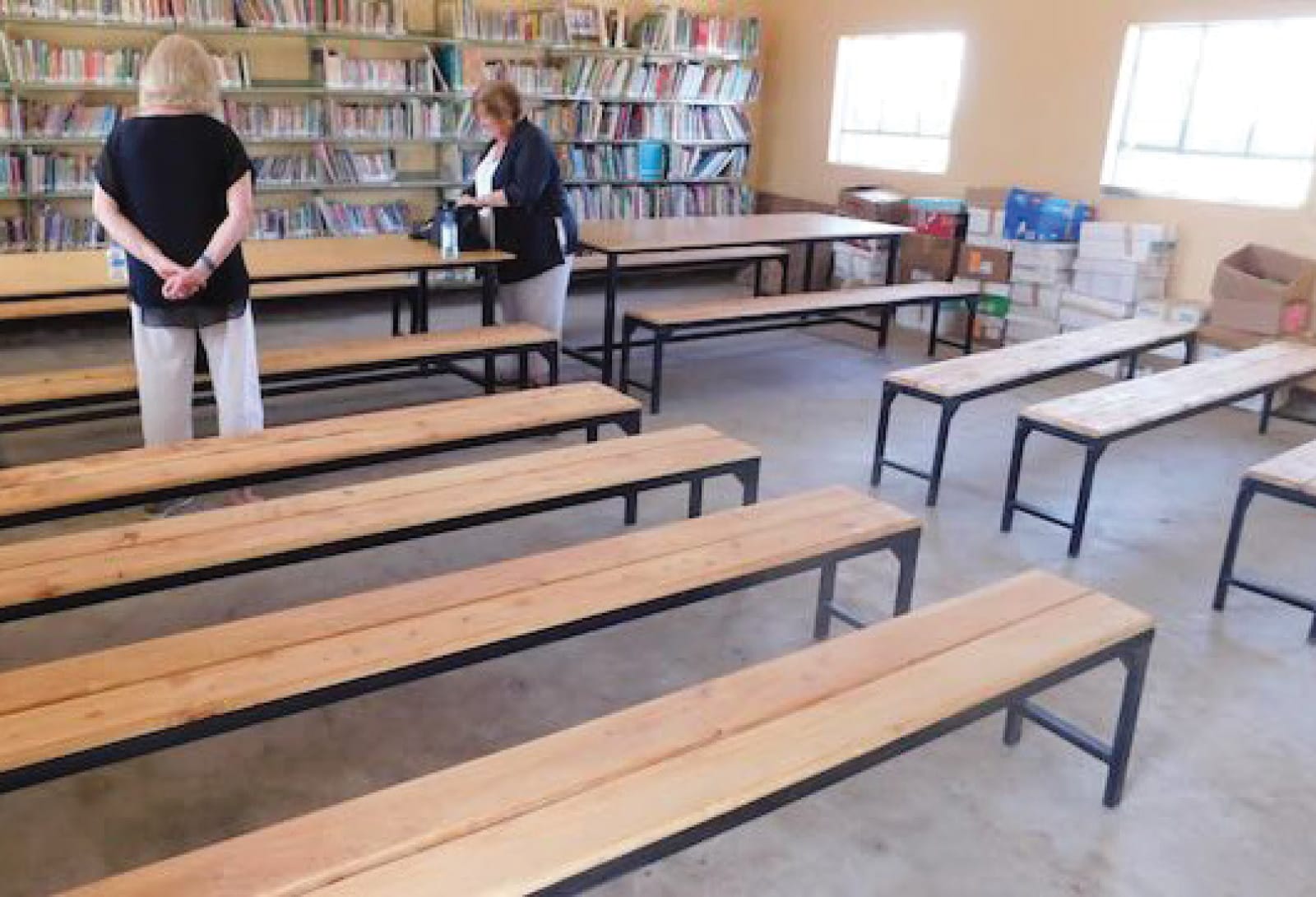
Library teams travelled to remote counties to set up school and district libraries and train staff. A library needs a secure room, about 4,000 books with spine labels, metal shelving, and tables and benches with metal frames to thwart termites. We also buy books by local authors to reflect African culture.
Why we built ARES
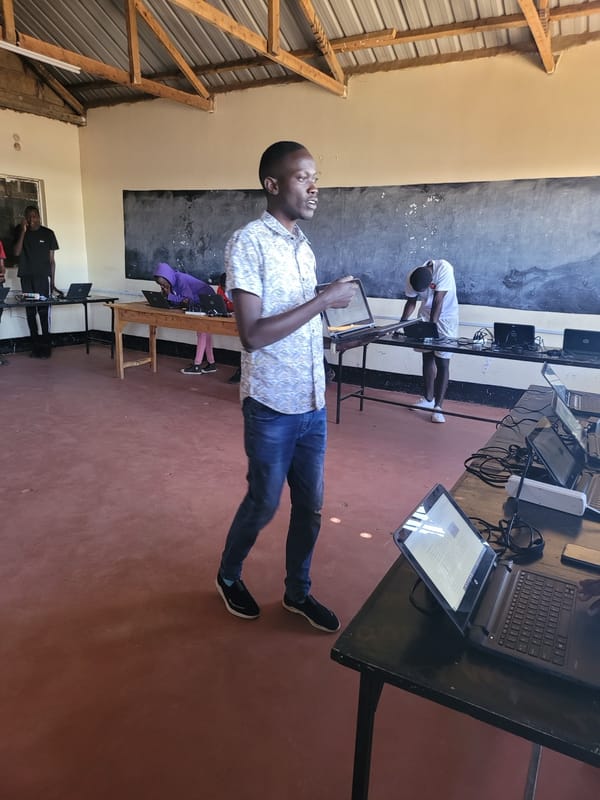
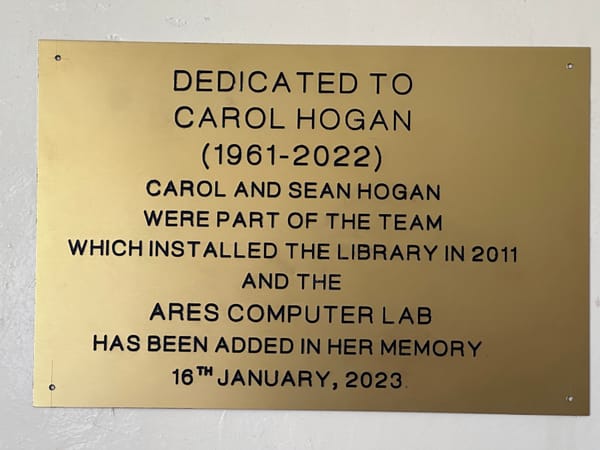
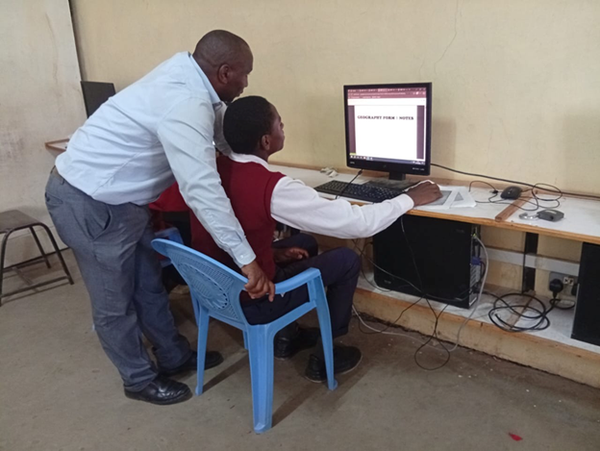
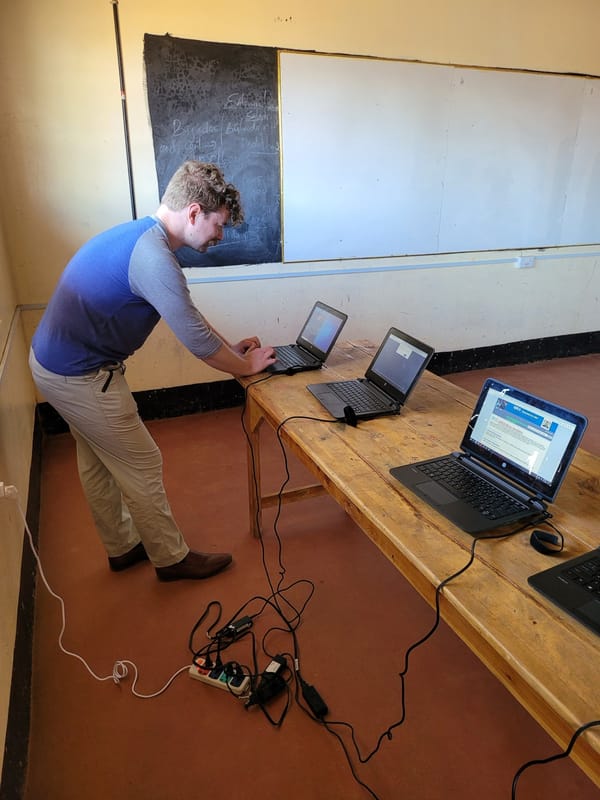
Computer labs brought a different problem. Returning a year after installation, we too often found computers broken, stripped of sellable parts or in disrepair. Rather than admit defeat, our team created ARES: an offline server that runs eight hours on a battery, connects up to 50 devices over Wi-Fi, and comes loaded with Khan Academy, TED Talks, PhET, more than 45,000 books, 30,000 videos, and vocational, agricultural and medical guides. Teachers can add their own material.
The internet is messy, dangerous and time-consuming. ARES has none of that: no viruses, no social media and no predators. It is free to use, while the internet is costly and depends on power that is intermittent at best. ARES even has its own search engine.
No organization could do this alone. Volunteers, partners such as Rotary World Help and Rotary International, individual donors and local communities have made this journey special. Foreign volunteers pay their own travel.
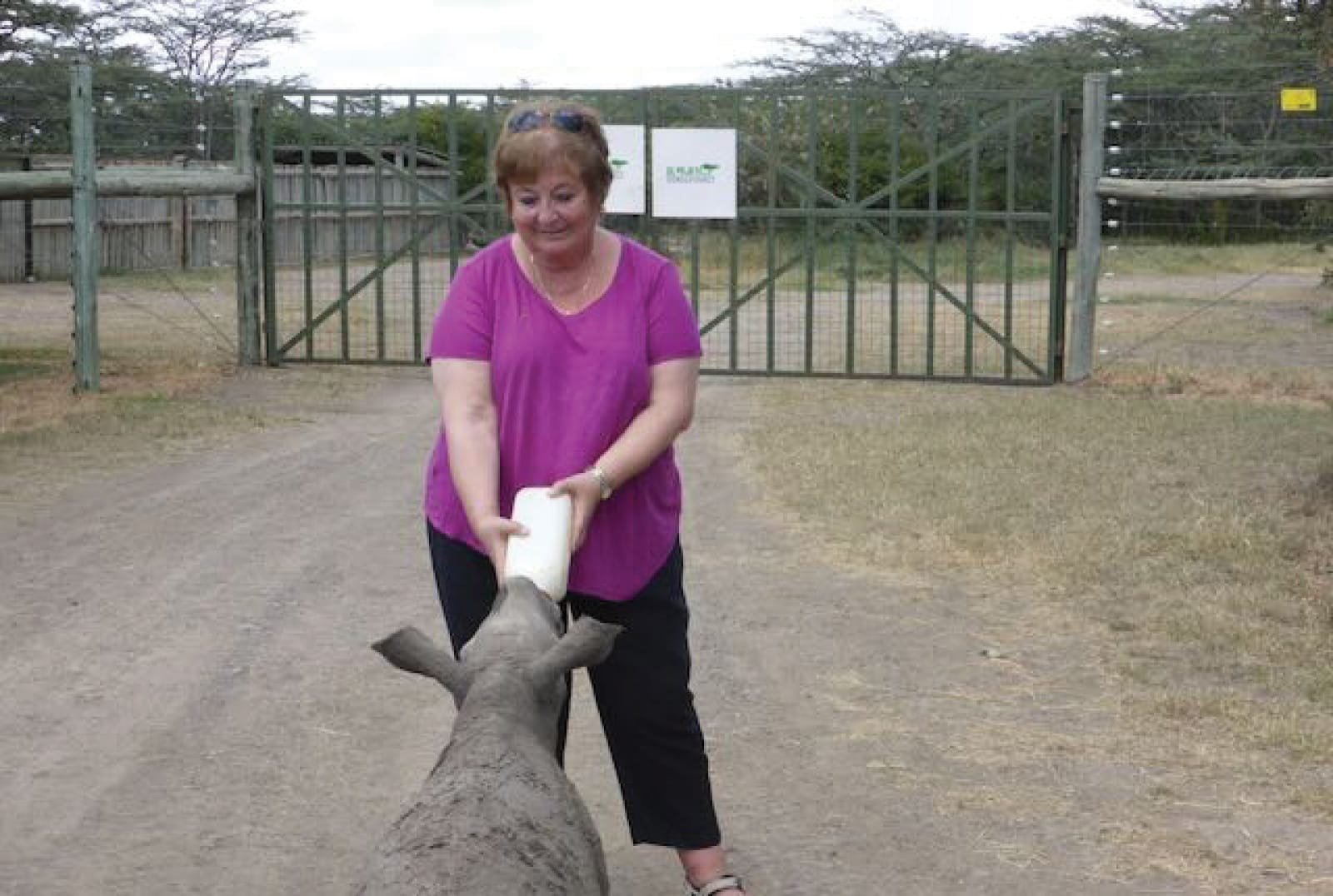
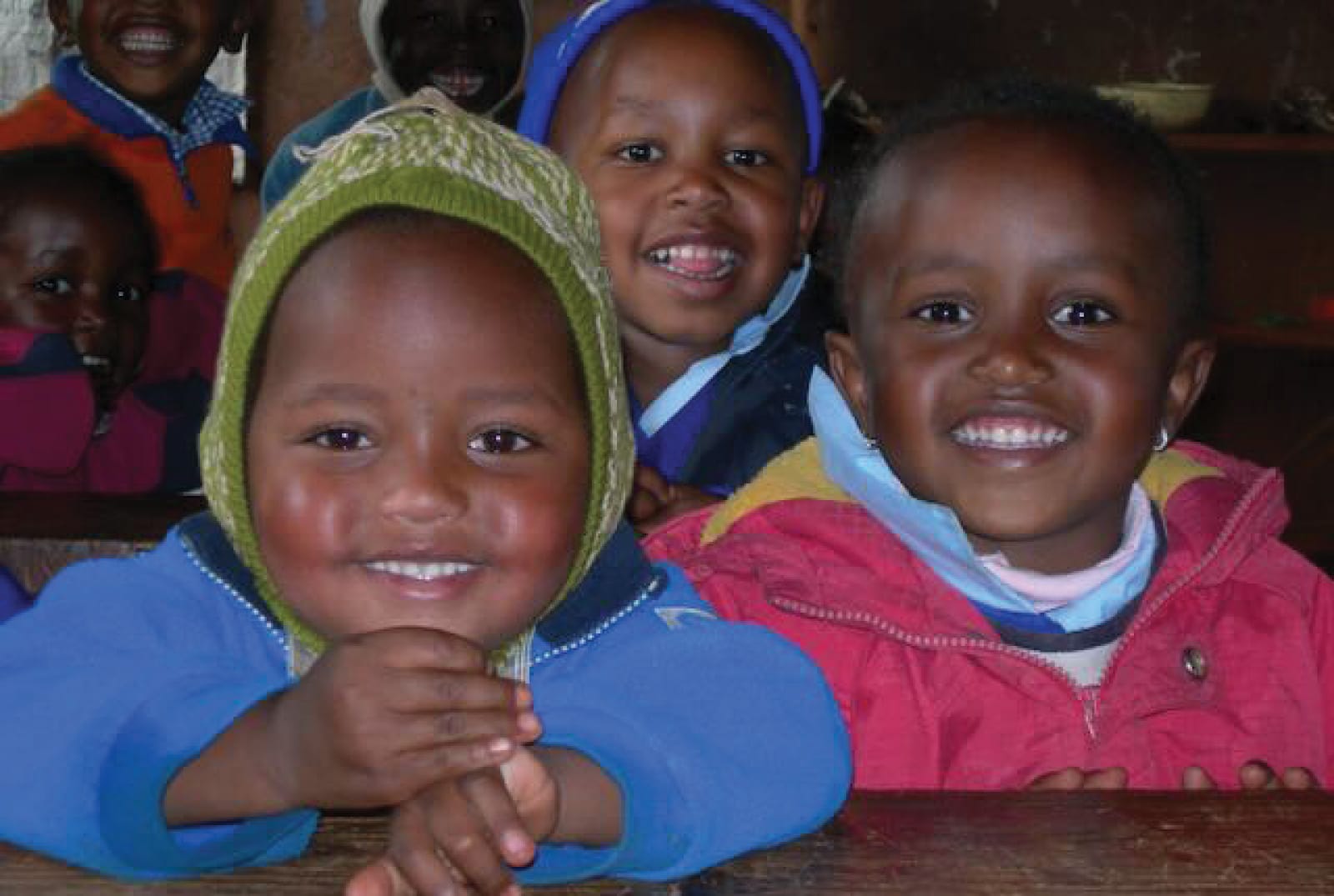
Looking back, I wouldn't trade a single day. I have been chased by elephants, fed a baby rhino, kissed more than one giraffe and walked with half-grown lion cubs. I still pick up children's library books in my 17-year-old Honda Odyssey. Sometimes I wonder what keeps me going. Then I see children's faces when they open a beautifully illustrated book for the first time, or timidly press the "On" button on a laptop, and I watch their world change. It has all been worth it.