A Kenyan teacher's mission to wire his school for the future
At Tigithi Boys, physics results are rising and students refuse to go home on ARES days.
By John Kabubu
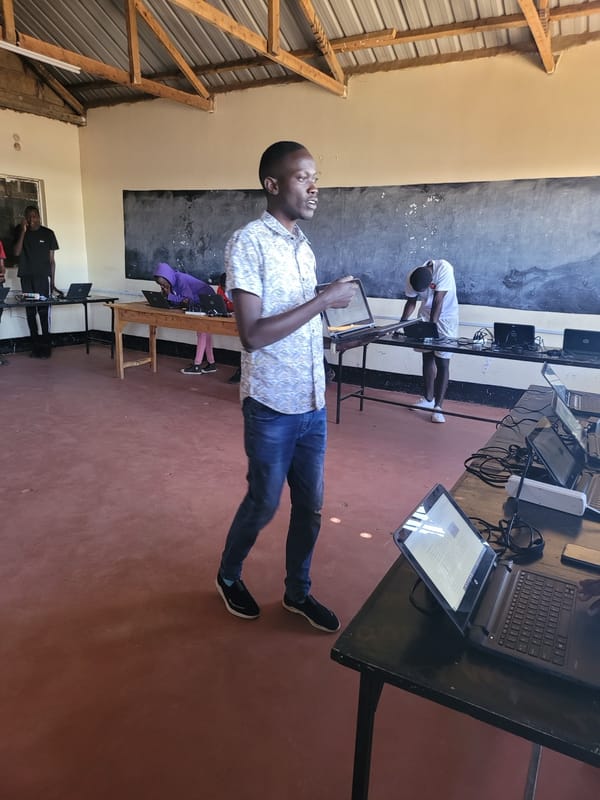
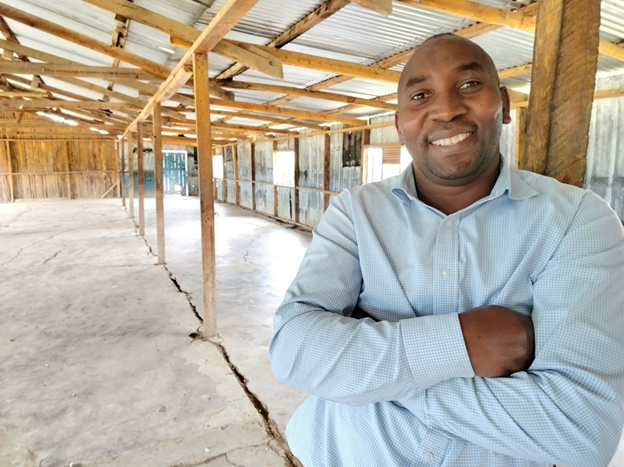
Along the corridors of Tigithi Boys Secondary School in Laikipia County, students walk with purpose, uniforms neat, conversations full of plans for the day. Samuel Irungu, a physics and computer teacher for 12 years, hurries them along. Time is not on their side.
Tigithi has 250 students and 19 teachers. For years the digital literacy gap was a daily reality here, with no internet and no reliable power. "Initially, we viewed a computer as a vice, something not good for the students," Samuel recalls. "We struggled." Teaching physics without practical demonstrations was an uphill battle, and Computer Studies was theory for exams, not a practical skill.
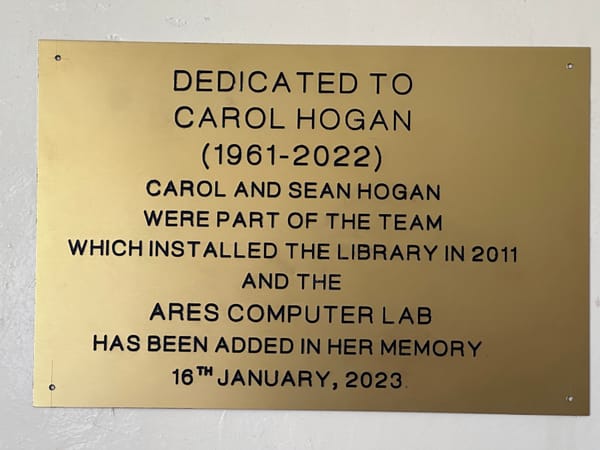
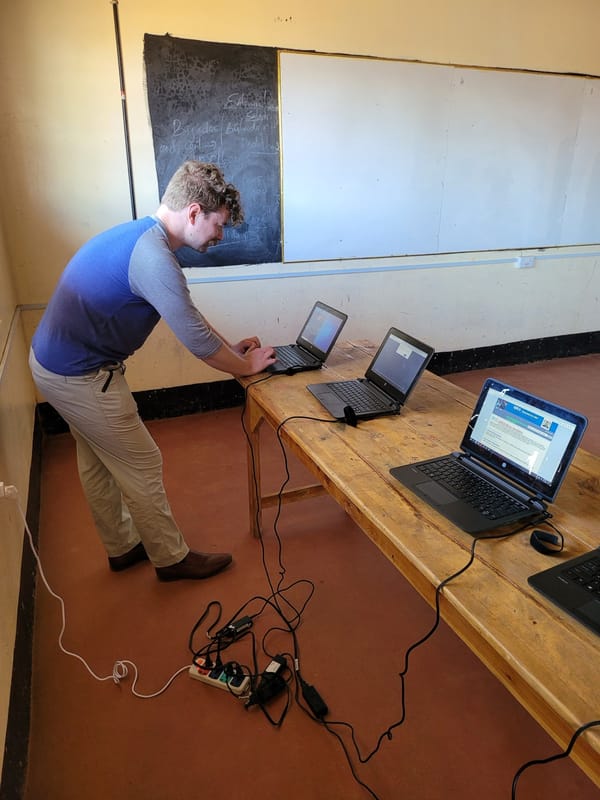
ARES first arrived in 2017. In 2023 a new and improved system was installed, a rugged server holding a universe of knowledge and running entirely offline. Students and teachers call it the "ARES box", and it became the school's digital oasis.
"ARES makes it simple and enjoyable"
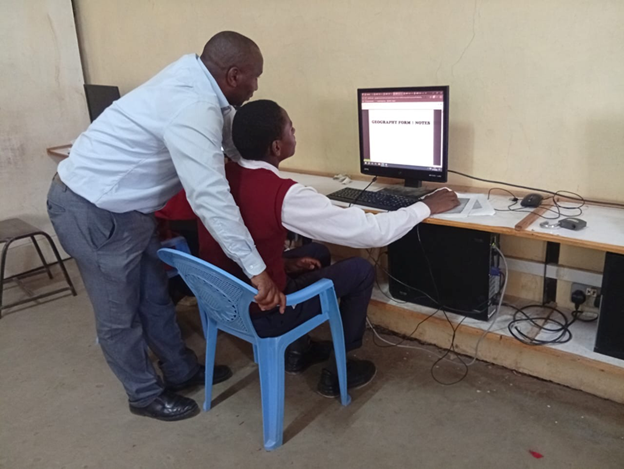
"The ARES box has assisted me in easier delivery of information," Samuel says. "Some of the practicals that are supposed to be handled in the science laboratory, ARES makes it simple and enjoyable, making the understanding better." He combines editable notes from ARES with textbook material, and adds simulations, videos and digital quizzes.
"The performance of physics was much below 4%. But in the classes where we use ARES, the performance is going up to 7%," he says with a wide smile. To an outsider that may look small. To a teacher of 12 years, it means something is working. "The class sometimes becomes almost the same size as the biology class because the students have increased in learning, understanding and liking the subject."
Students who won't go home
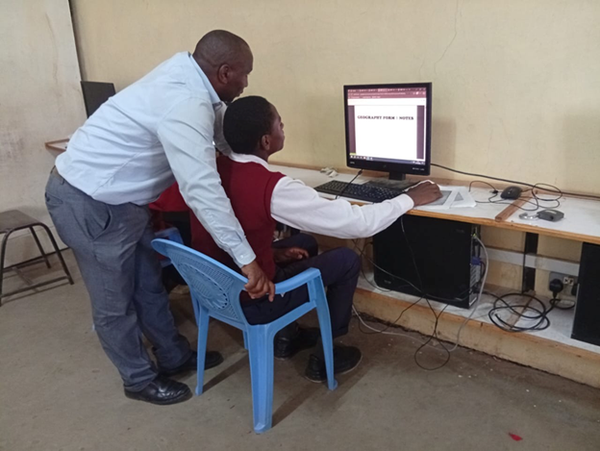
Students now flock to the lab to learn on their own, with Samuel more guide than lecturer. "Some students, when they are sent home for school fees, and it is the day they are supposed to access the ARES box, they absolutely refuse. They say, 'Today we have ARES class, we will leave tomorrow.'" Near exams the demand is so great that he jokes, "Sometimes I'm forced to sleep in school because the work is too much for printing and marking."
Attitudes have changed too. "For the last five years, we have not done any vandalism concerning the computer laboratory."
Brighter futures
Samuel dreams of taking ARES beyond the single lab, into every classroom and onto tablets. "With the introduction of ARES, the future is brighter than the present and the past," he says. Tigithi Boys is not just catching up. It is charging forward.